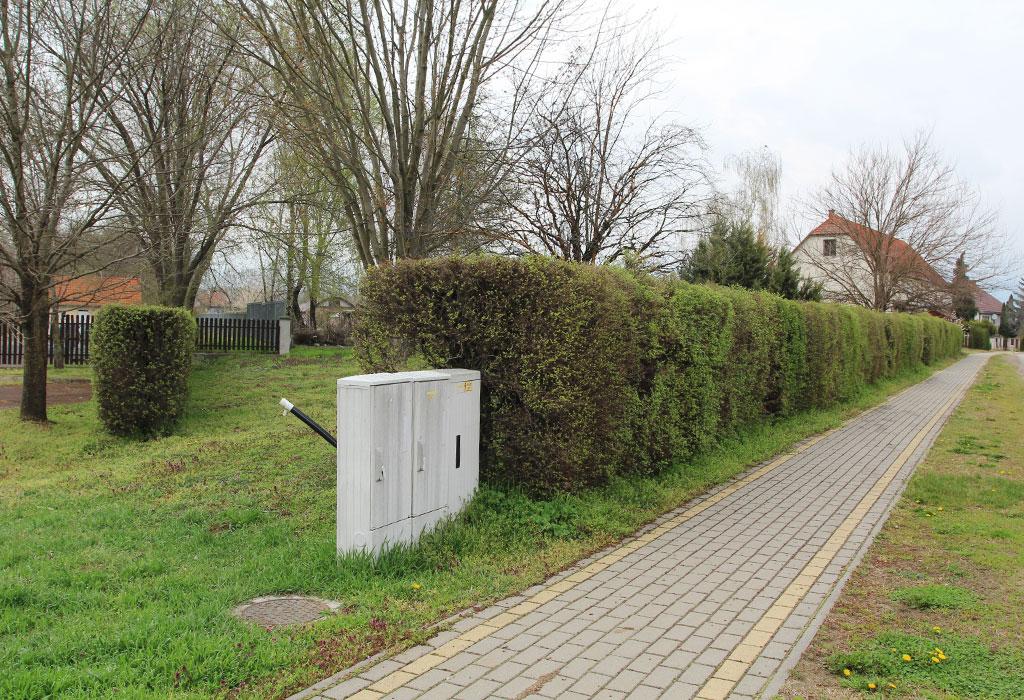
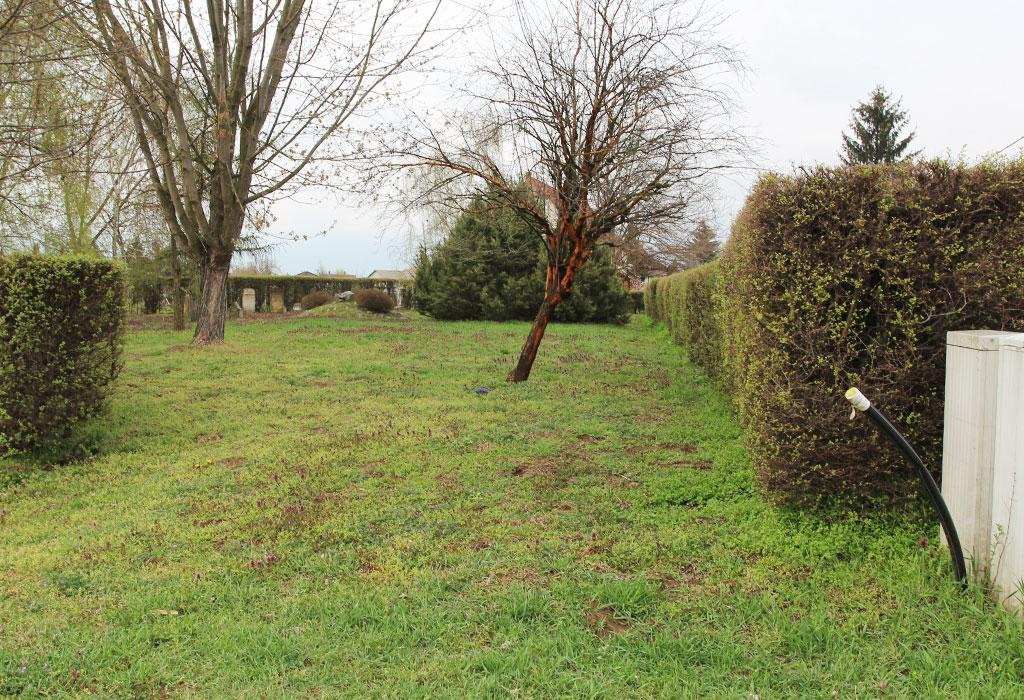
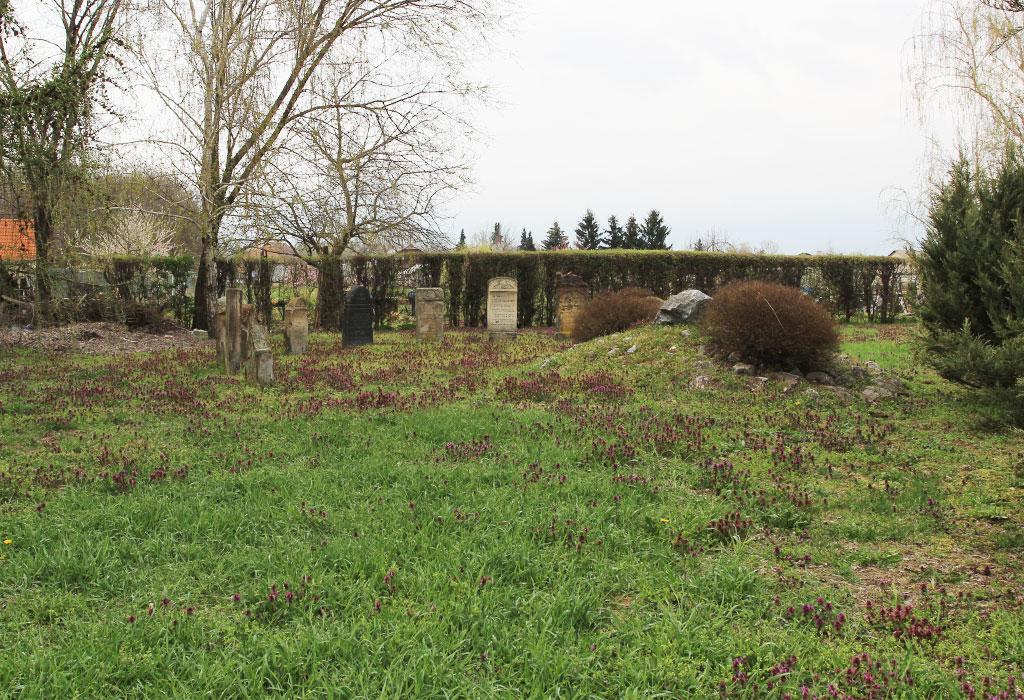
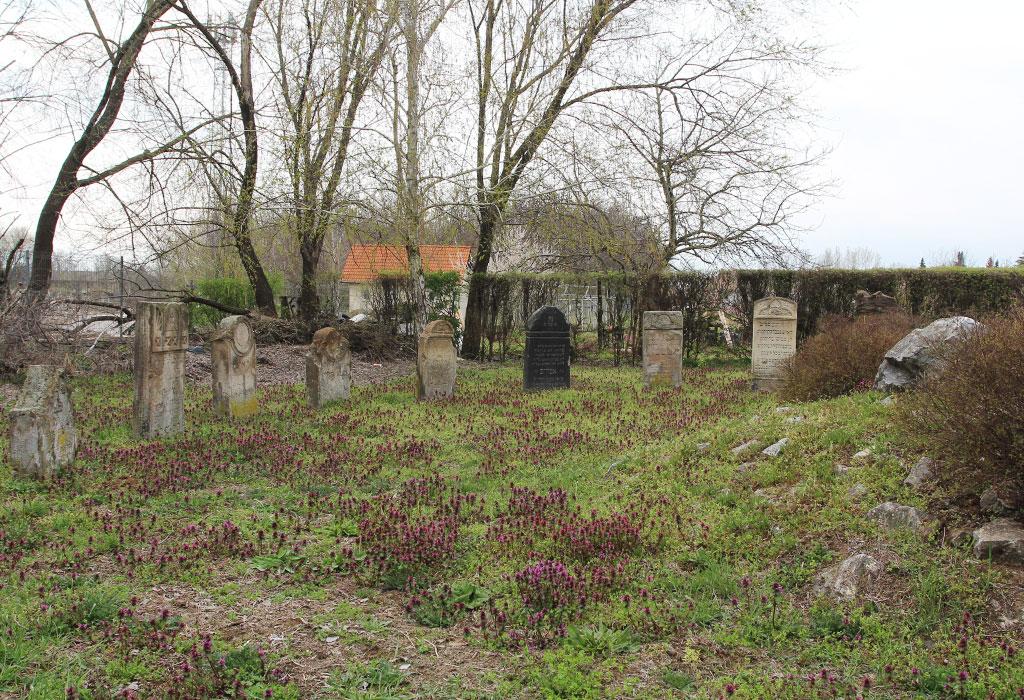
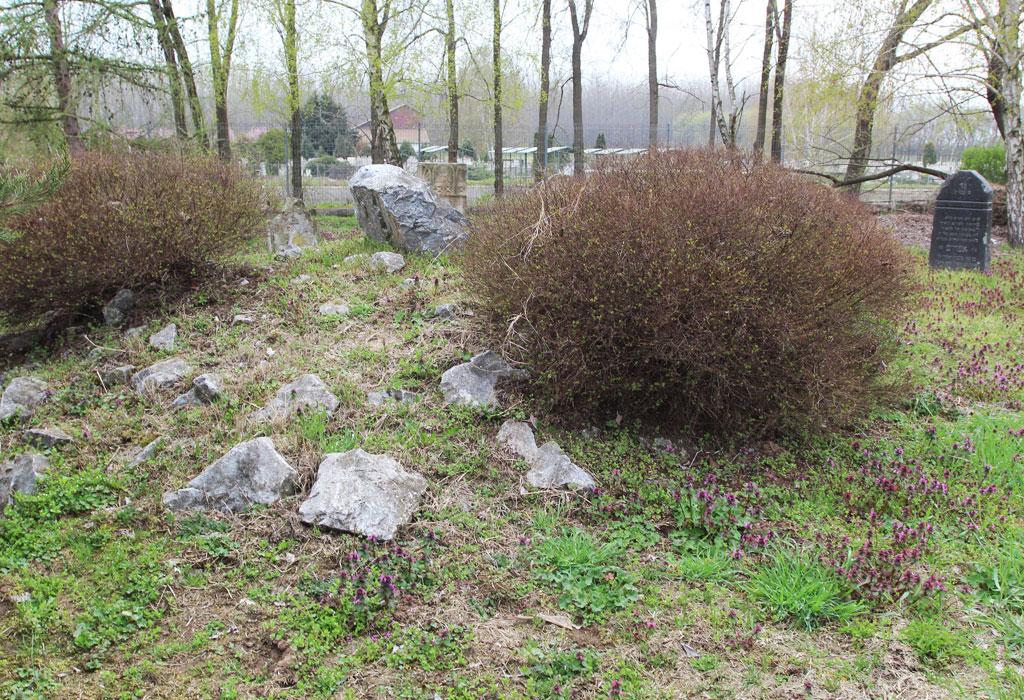
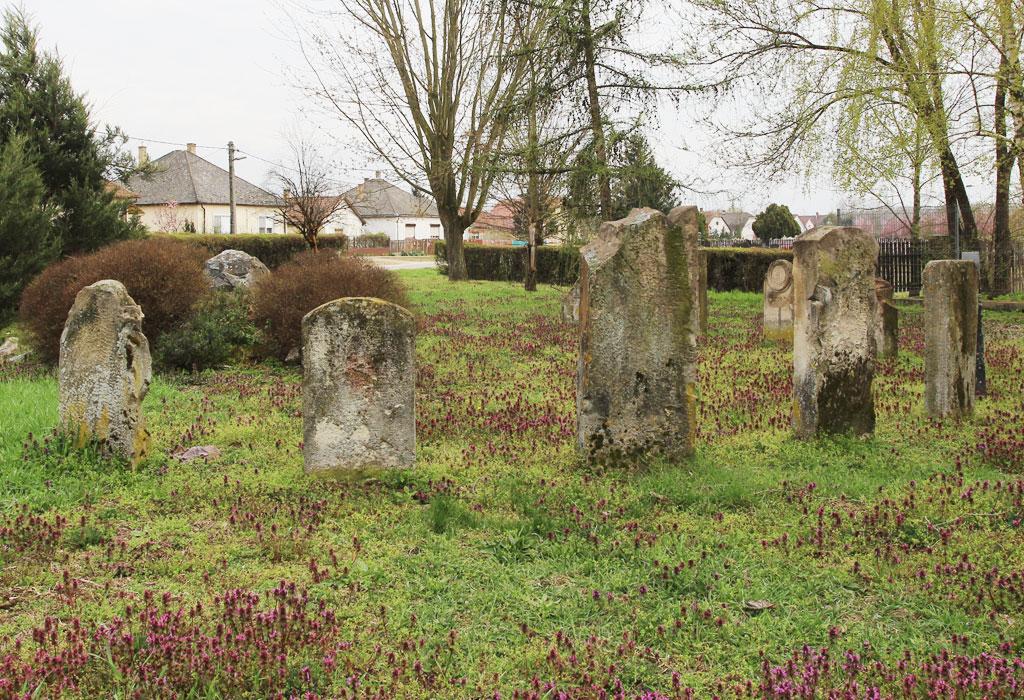
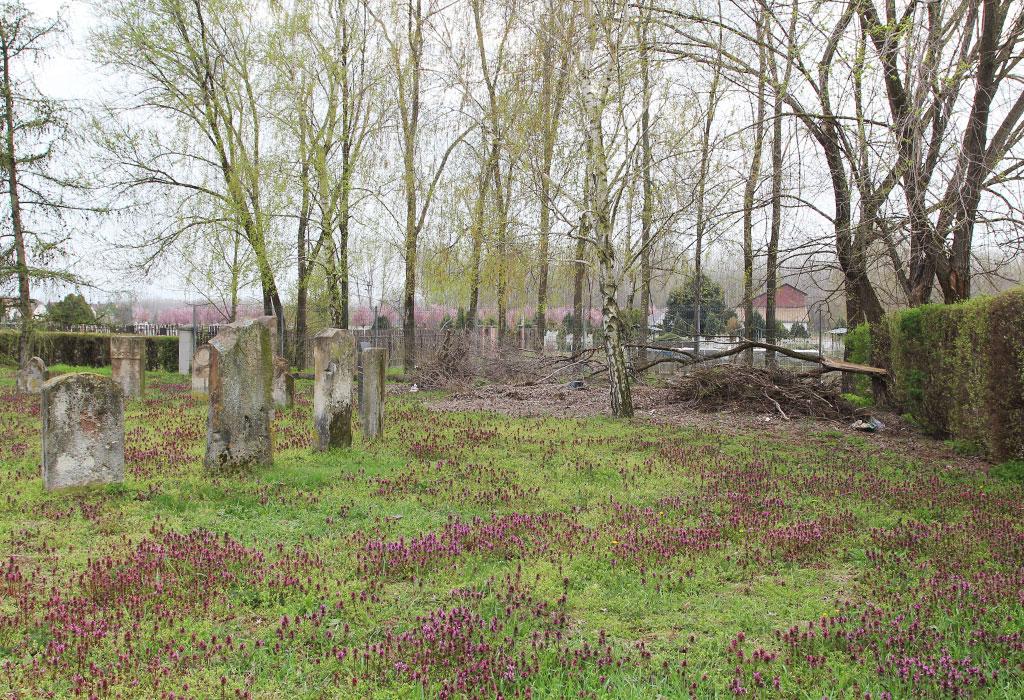
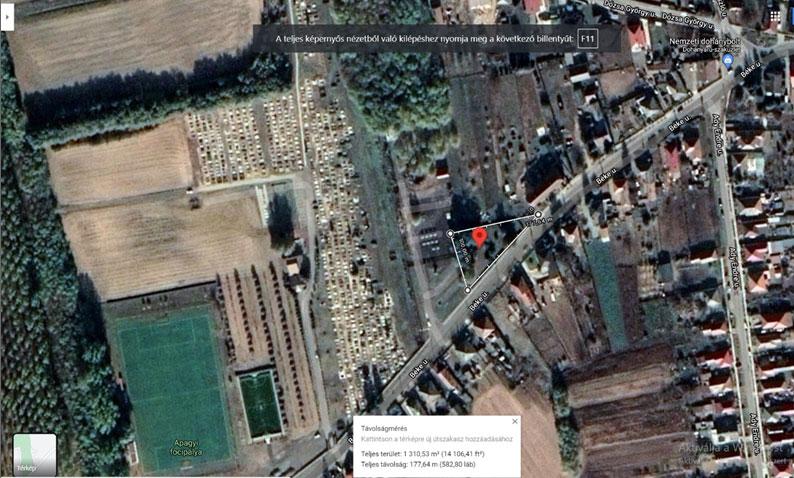
The cemetery is demolished, but on its original territory (next to the municipal cemetery) there is a memorial park where in the shape of circle are established 17 Matzevot. It is next to the memorial made of stones and plants. On the corner some litter was found. The cemetery is fenced by a hedge, but it is not protected as there is no gate which could be closed.
The older Jewish cemetery in Apagy presumably existed as early as 1870, as it appears on the cadastral map of that year. The cemetery was destroyed, but the remaining gravestones were arranged into a memorial park. The earliest legible date on the gravestones is 1872, while the latest preserved gravestone dates to 1918.
The first statistical data in 1828 recorded 32 Jews as living in the village, and the number remained the same until 1840. After the construction of the Nyíregyháza—Vásárosnamény railway in 1904, Apagy became a local commercial hub. Subsequently, the Jewish population grew, and, at its peak, numbered 160 individuals, constituting almost 13% of the total population. Following this, the Jewish population in Apagy began to decrease and, in 1941, there were merely 105 Jews in Apagy. By 1944, there were 92 Jews, all of whom were deported to Auschwitz. There are no traces of a Jewish presence in Apagy after 1945.
Apagy
Béke utca 27
4553
Hungary
Legal status of Hungarian Jewish cemeteries
Let's say we have some text here.