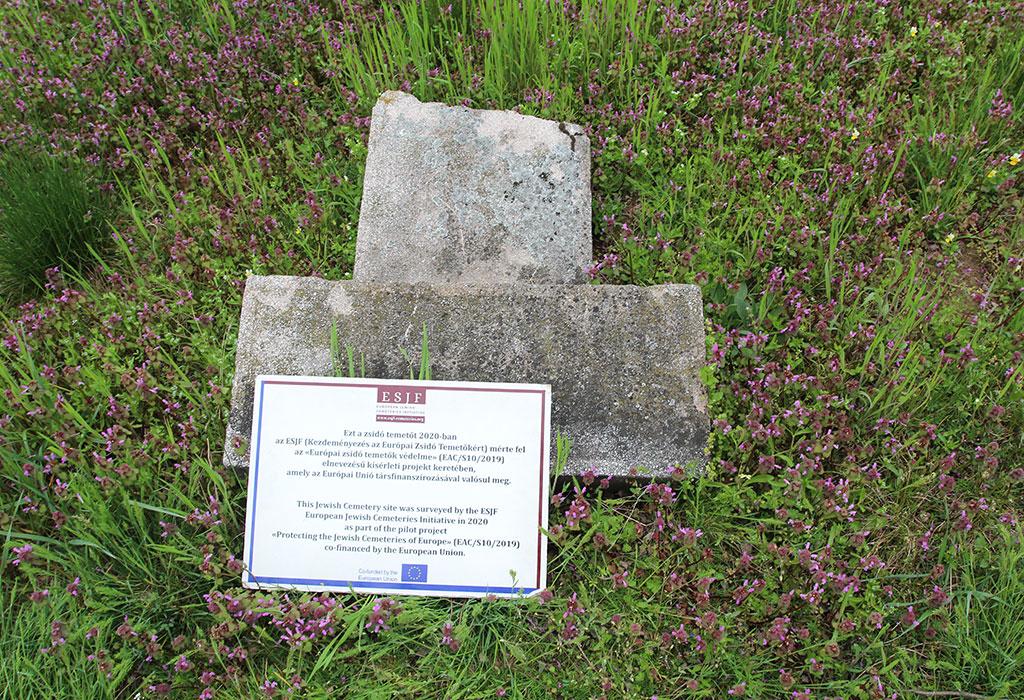
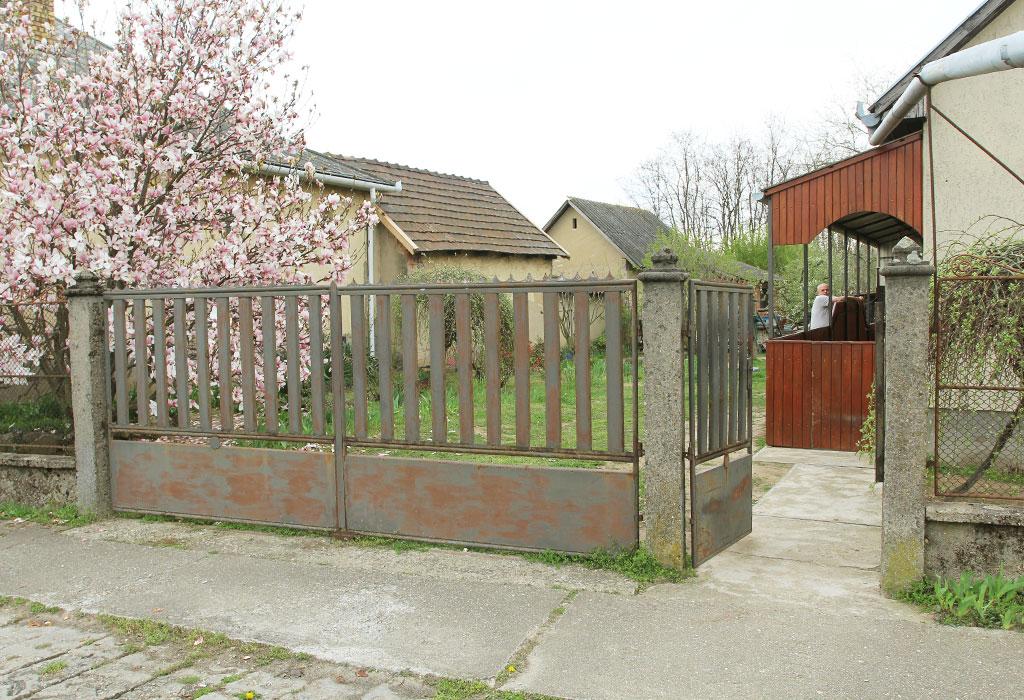
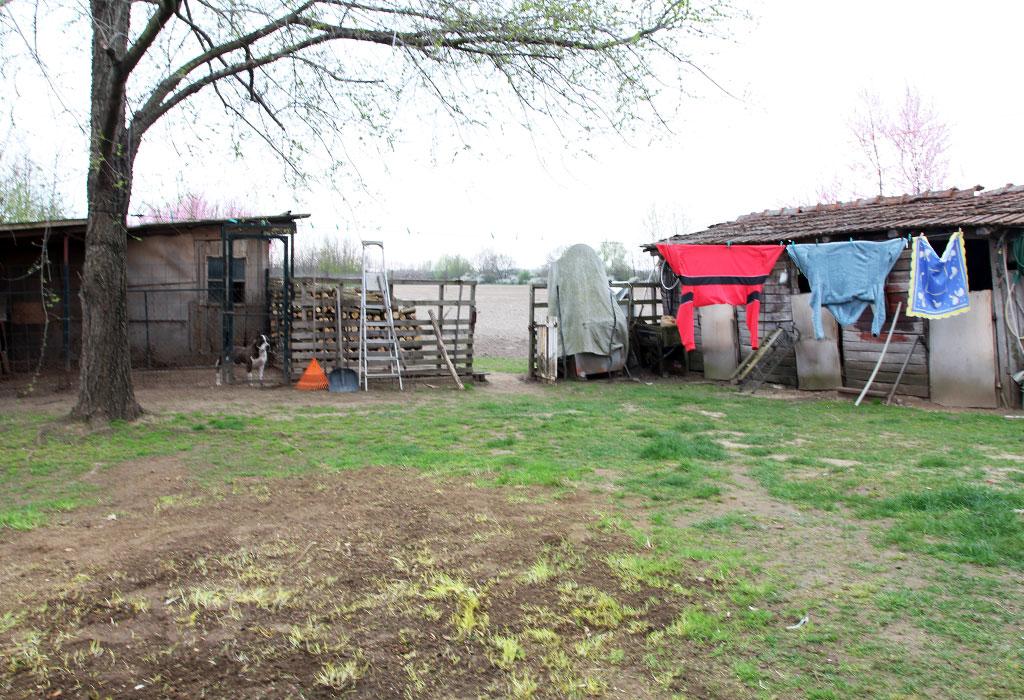
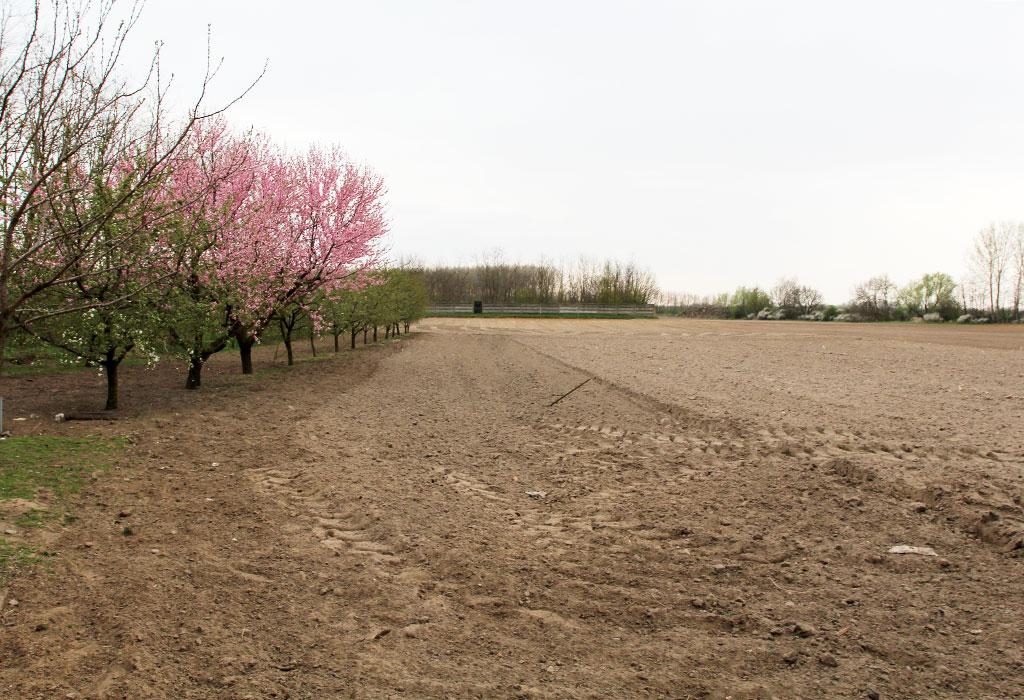
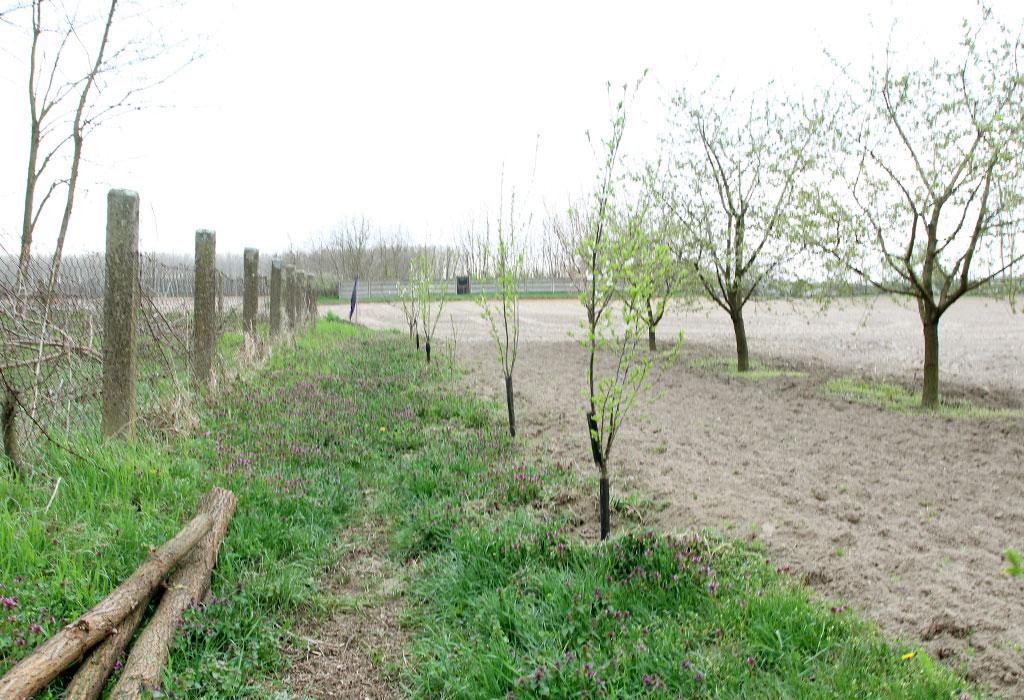
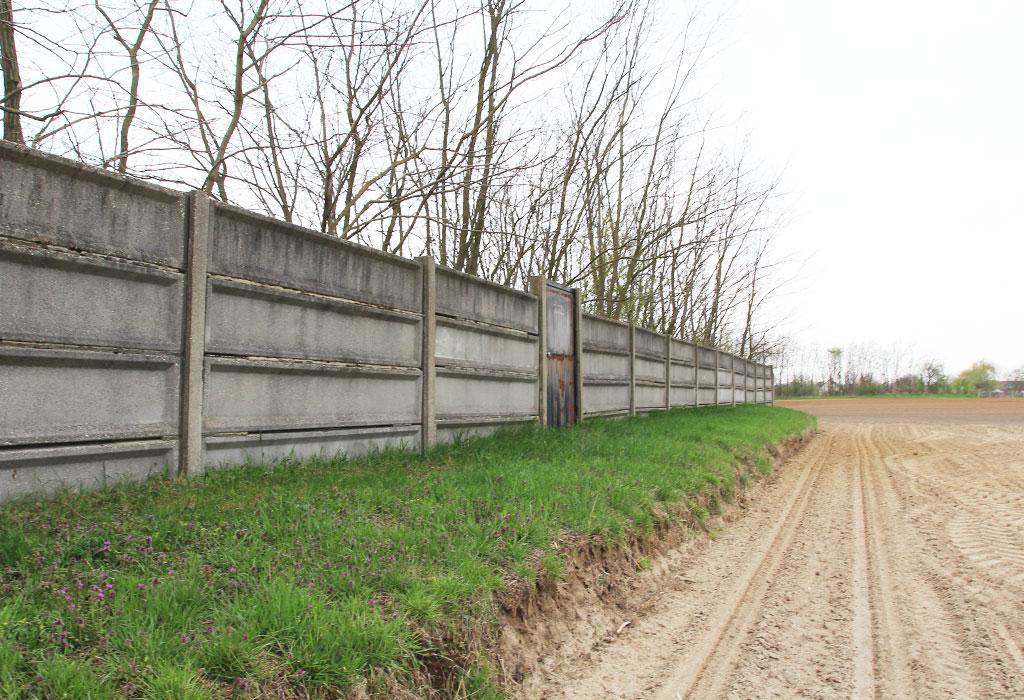
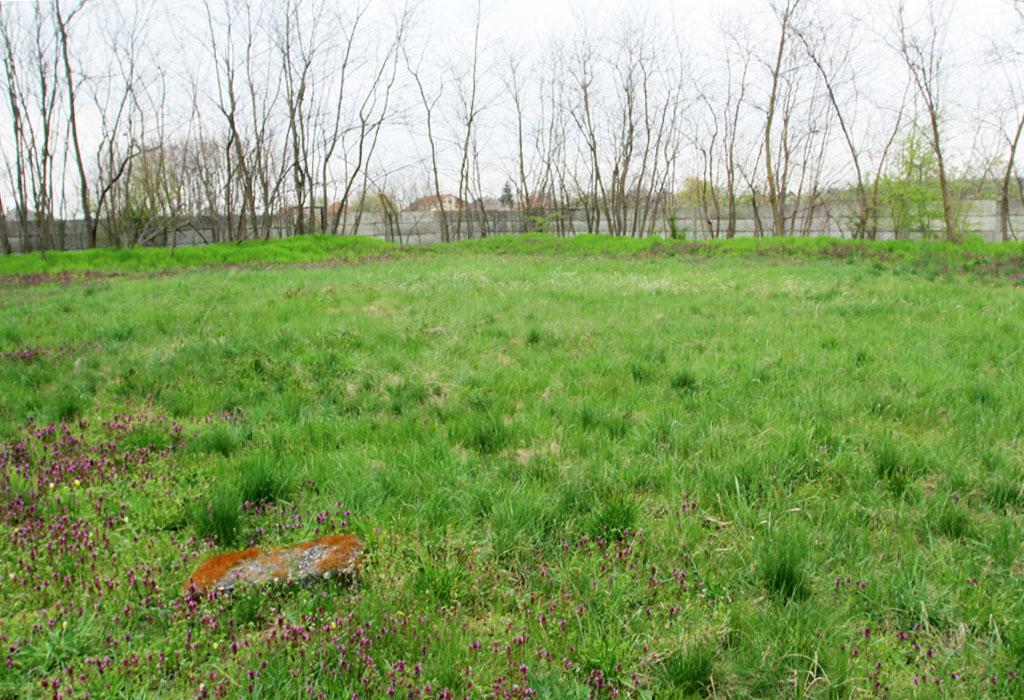
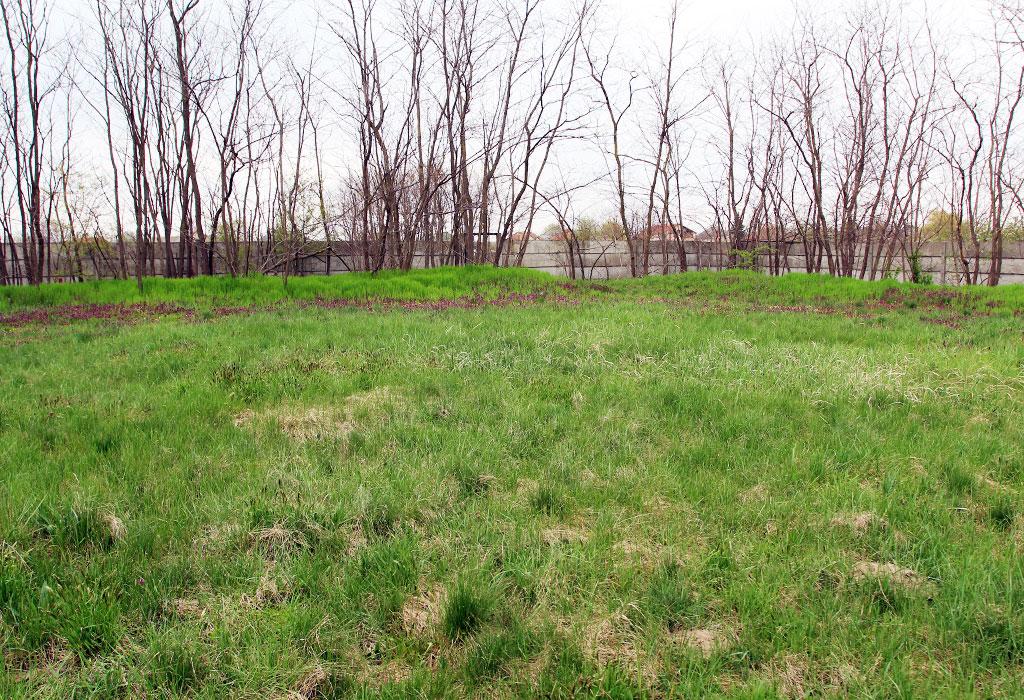
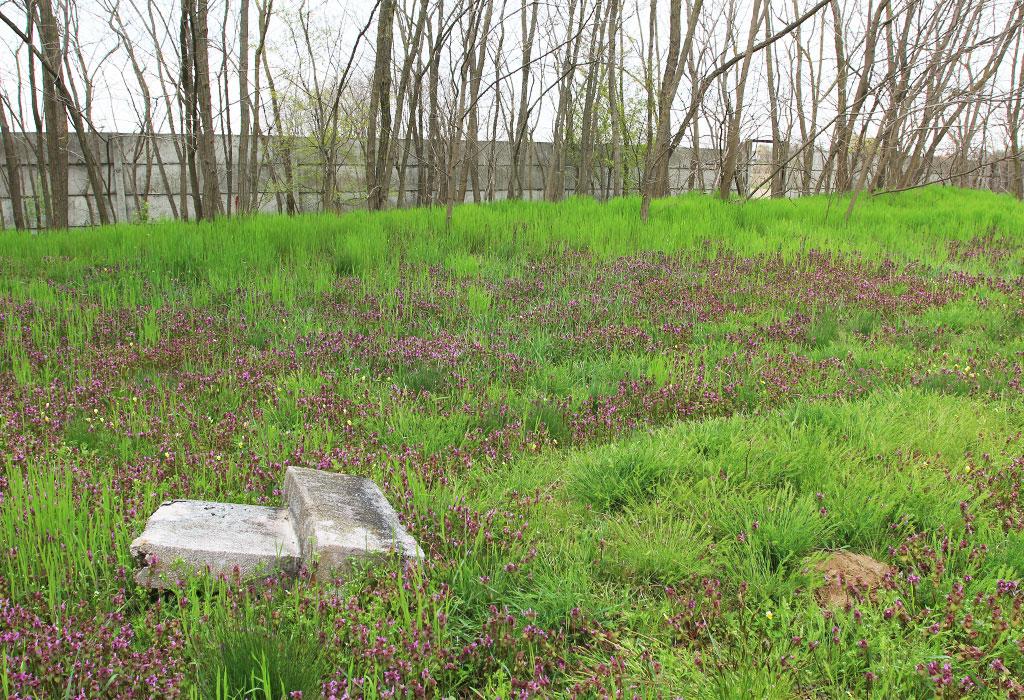
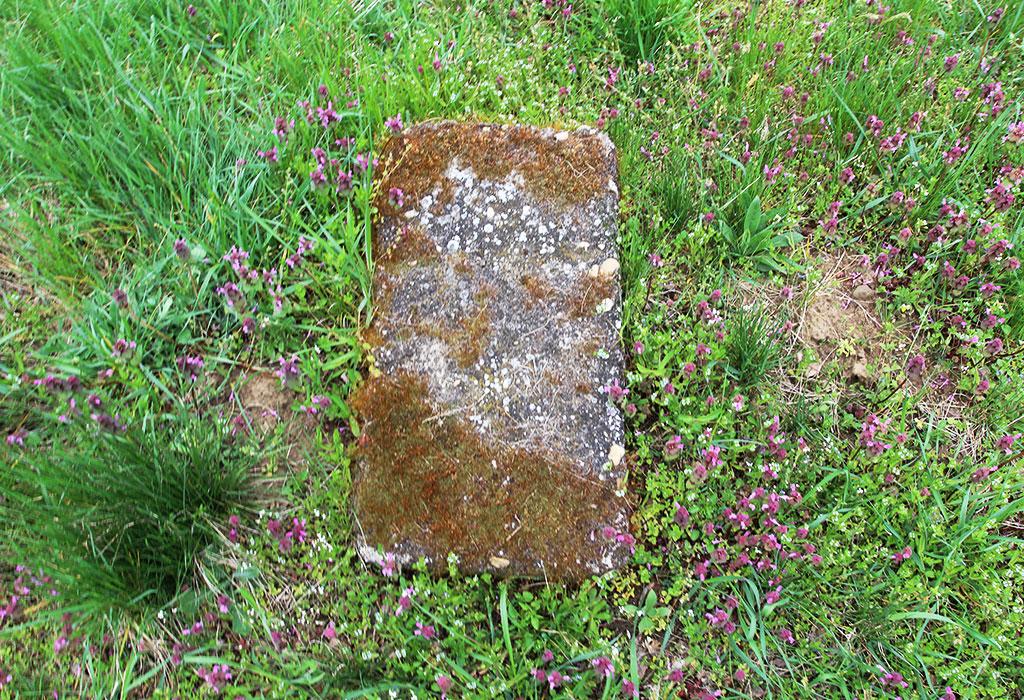
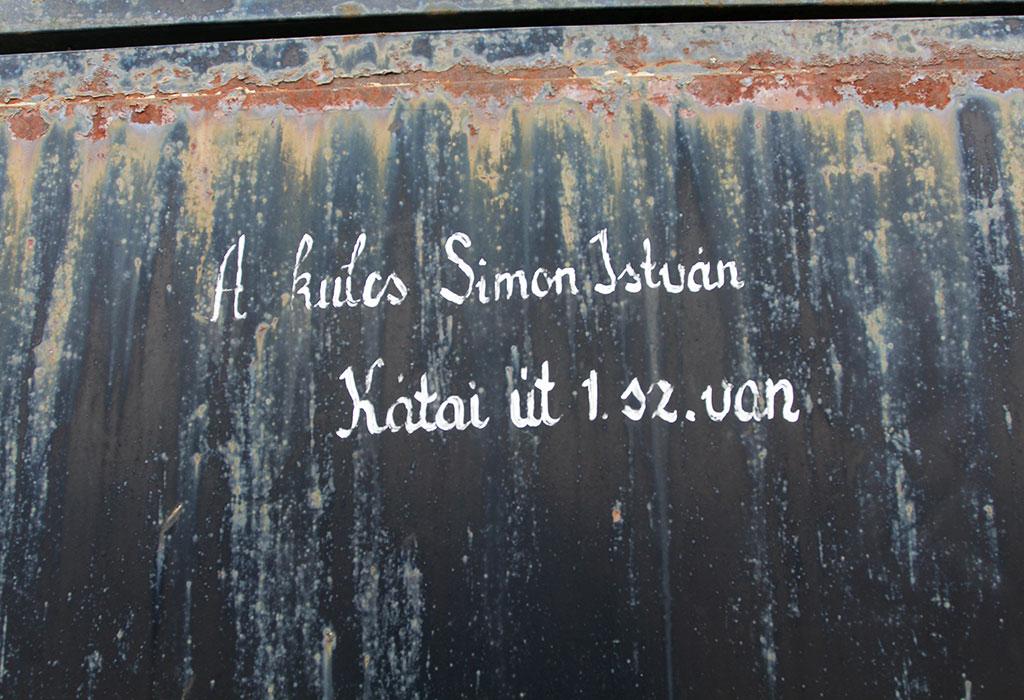
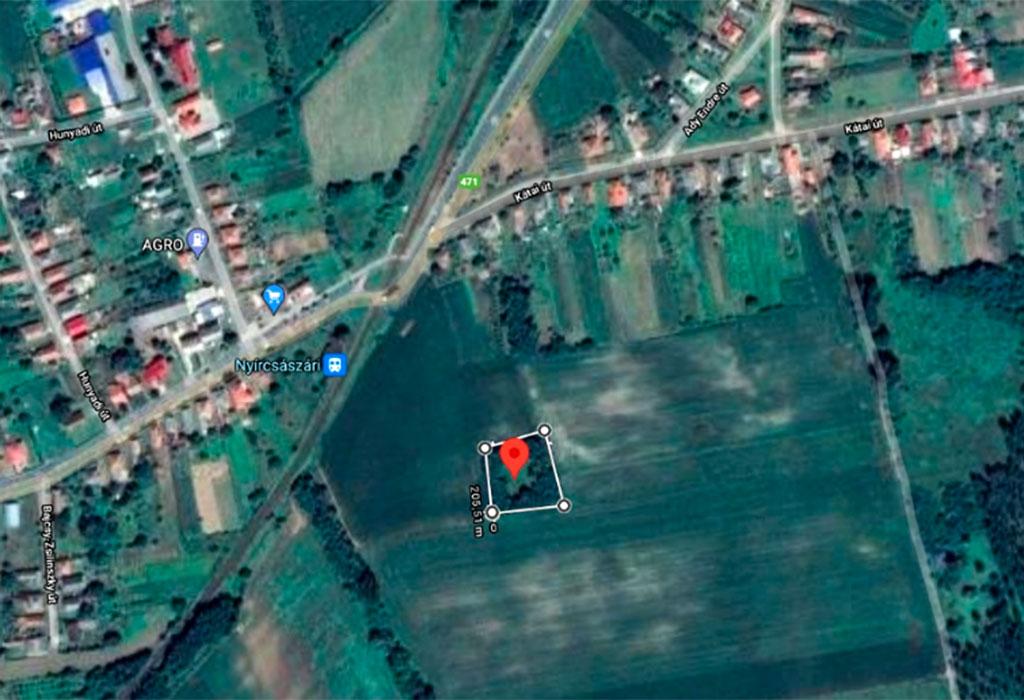
The cemetery is approachable through the house of the caretaker, he also keeps the keys. The cemetery is well maintained, however very few gravestones remain.
The Jewish cemetery of Nyírcsászári was established as early as 1893, as it appears on the cadastral map of that year. The cemetery’s territory is fenced, though no dates are legible on the preserved gravestones.
In 1880, the total population of the village of Nyírcsászári was 424, including 26 of whom Jews. 74 Jews lived in the village in 1910, 63 in 1920, 45 in 1930, and 47 in 1941. In the early 1900’s, Jenő Blau, a landowner, lived in the village. His son, Dezső Blau, was a crop trader who opened a bakery in 1918. Antal Reinitz was an independent farmer who previously completed rabbinical training in Oradea. He had nine children and was the representative of the village for many years.
In 1941, merely 25 Jews were living in the village. In 1944, the Jews of Nyírcsászári were gathered and detained in the town, then deported to Auschwitz. By 1945, there were no more Jews in the village.
Nyírcsászári
4331
Hungary
Legal status of Hungarian Jewish cemeteries
Let's say we have some text here.